

Introduction
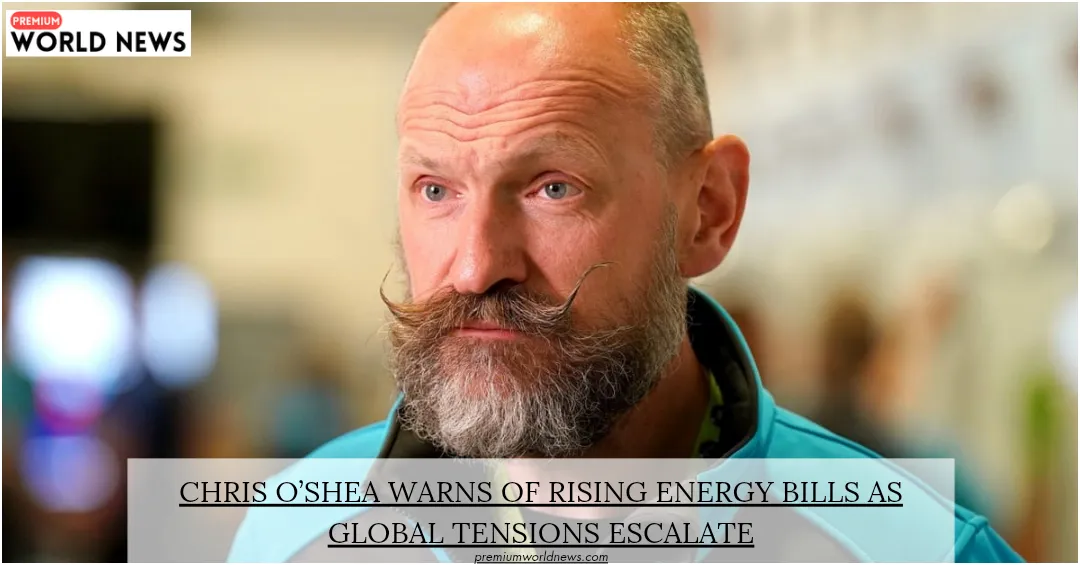
Chris O’Shea, the chief executive of Centrica, has emerged as a key voice in the UK energy sector, especially as global geopolitical tensions threaten to drive up fuel and energy costs. As the head of the parent company of British Gas, O’Shea has issued fresh warnings about the potential impact of the Middle East conflict on household energy bills.
Who is Chris O’Shea?
Chris O’Shea is a Scottish businessman who has served as CEO of Centrica since 2020. He studied at the University of Glasgow and later earned an MBA from Duke University. Over the years, he has played a crucial role in reshaping Centrica, focusing on efficiency, cost-cutting, and long-term energy security strategies.
Centrica itself is one of the UK’s largest energy suppliers, providing gas and electricity to millions of households through its British Gas brand.
Energy Bill Warnings Amid Global Conflict
O’Shea recently warned that rising energy bills could become “inescapable” if the ongoing Middle East conflict continues to disrupt global fuel supplies.
According to his analysis:
- Global oil supplies have already been reduced significantly due to tensions affecting key shipping route.
- Petrol prices are expected to rise first, followed by broader impacts on household energy costs.
These developments are closely tied to instability in critical regions such as the Strait of Hormuz, a vital route for global oil transport.
Impact on UK Households
The warnings from O’Shea highlight growing concerns for UK consumers already struggling with the cost of living. Energy price increases could:
- Put additional pressure on household budgets
- Increase fuel poverty
- Force government intervention if the crisis escalates
O’Shea has consistently emphasized that energy challenges are interconnected with wider economic hardship, noting that rising bills often coincide with broader financial struggles for families.
Long-Term Energy Outlook
Beyond immediate concerns, O’Shea has also warned about the future of energy pricing in the UK. He suggested that electricity costs in 2030 could remain higher than pre-crisis levels due to:
Expensive infrastructure upgrades
Transition to low-carbon energy systems
Global market volatility
Centrica is investing in long-term solutions, including nuclear energy and gas storage, to stabilize supply and reduce reliance on volatile international markets.
Leadership and Controversy
While O’Shea is recognized for steering Centrica through turbulent times, his leadership has not been without criticism. His executive pay packages have sparked debate, especially during periods when many households faced rising energy costs and debt.
Despite this, he has also taken steps such as previously waiving bonuses during crises and supporting initiatives aimed at helping vulnerable customers.
Conclusion
Chris O’Shea remains a central figure in the UK energy landscape, balancing corporate strategy with public accountability. His recent warnings underline a critical reality: global conflicts can have immediate and significant consequences for everyday energy costs.
As geopolitical tensions continue, consumers and policymakers alike will be watching closely to see how the situation unfolds—and whether energy price rises can be mitigated.